Introduction to Multi-Cat Households
Multi-cat households are increasingly popular among pet owners who seek companionship and lively interaction within their homes. A multi-cat environment can offer numerous benefits, including enhanced socialization for the pets and the joy of observing their interactions. Cats are social animals; thus, having another feline companion can provide entertainment and companionship, alleviating loneliness when their humans are away. Additionally, for certain breeds known for their sociable nature, sharing their space with fellow cats can be especially beneficial.
However, despite the appealing aspects of owning multiple cats, there are inherent challenges that caregivers must navigate. Space can become a contentious issue, as cats may be territorial by nature. Conflicts can arise over resources like food, water, and litter boxes, leading to stress among the felines. Understanding territorial behavior is crucial, as it plays a significant role in how cats cohabit. If not adequately managed, these territorial disputes can lead to aggression, anxiety, and health problems, affecting the overall dynamic of the household.
Moreover, introducing a new cat into a multi-cat household requires careful planning and patience. A gradual introduction process, where the cats are allowed to become familiar with each other in a controlled way, can mitigate potential conflicts. Successful integration is often characterized by individual personalities and the established hierarchies among the resident cats, which requires keen observation by the owner.
In summary, while living in a multi-cat household can foster enrichment and camaraderie among pets, it is essential for owners to recognize and address the challenges that accompany such arrangements. With the right strategies and understanding, the balance of a multi-cat home can lead to a harmonious atmosphere filled with joy and companionship.
Understanding Cat Behavior
Cats are complex creatures with intricate behaviors that are shaped by their natural instincts and social structures. One of the most significant behaviors observed in felines is their territorial instincts. Cats are known to establish and defend territories, which can lead to conflicts when multiple cats inhabit the same space. Each cat may feel the need to assert its dominance over particular areas within the home, resulting in tension and potential feuds. Understanding this territorial behavior is essential for cat owners who live in multi-cat households.
Beyond territoriality, social hierarchies play a crucial role in how cats interact with one another. Cats often establish a pecking order that dictates their relationships. For instance, dominant cats may take control of resources such as food, water, and resting spots, while submissive cats may have to navigate around these established rules. This dynamic can sometimes lead to skirmishes, especially if a newcomer is introduced into a household already inhabited by other cats. Recognizing these social structures can help owners intervene effectively when conflicts arise.
Communication methods also significantly influence the interactions among cats. Cats use a variety of vocalizations, body language, and scent markers to convey their feelings and intentions. A twitching tail, a hissing sound, or even the position of their ears can reveal a cat’s emotional state. By observing these cues, cat owners can gain insights into their pets’ interactions and address any signs of aggression or stress. Managing a multi-cat home requires an understanding of these behaviors, which can help mitigate potential conflicts and foster a harmonious living environment for all felines involved.
Common Triggers of Cat Conflict
Understanding the triggers of conflict in multi-cat households is crucial for maintaining harmony among feline companions. One prevalent cause of disputes is resource guarding. Cats are naturally territorial creatures, and when they feel their resources are threatened, such as food, water, or litter boxes, they may resort to aggressive behavior. It is essential to ensure there are multiple resources available for each cat to help reduce competition and prevent jealousy.
Another significant contributor to feline conflict is the lack of personal space. Cats, unlike dogs, often require their own territory to thrive. When multiple cats share confined spaces without adequate hideaways, they can easily become stressed and aggressive towards one another. Providing various types of vertical and horizontal spaces, such as shelves, cat trees, or secluded nooks, can help give each cat their own safe retreat, reducing tension and potential confrontations.
Changes in the household dynamic can also trigger conflicts among cats. This may include introducing a new pet, moving to a new home, or significant alterations in the living environment. Cats are creatures of habit, and disruptions to their routine can lead to feelings of insecurity. To mitigate this, gradual introductions to new pets, maintaining familiar routines, and allowing each cat time to adjust can significantly decrease the likelihood of feuds.
In summary, recognizing the common triggers of conflict—resource guarding, lack of personal space, and changes in the household—is vital for promoting peace among cats. By addressing these factors proactively, cat owners can foster a more harmonious multi-cat environment, ensuring that their beloved felines coexist peacefully.
Creating Separate Spaces for Each Cat
In multi-cat households, the significance of providing separate areas and resources for each feline cannot be overstated. Cats are territorial by nature, and competing for resources can lead to stress, anxiety, and aggression. Therefore, it is essential to create an environment where each cat feels secure and has access to essential resources without the threat of competition from others.
Firstly, designate individual spaces or areas within your home for each cat. This can be achieved by providing separate resting places, such as cozy beds or cat trees, in different rooms or corners of the house. These spaces should be equipped with soft bedding, warm blankets, or even the cat’s favorite toys to encourage their usage. By doing this, each cat can establish its territory, promoting a sense of security and reducing potential conflicts.
In addition to resting places, ensure you have multiple litter boxes spread throughout the home. A good rule of thumb is to provide one litter box per cat, plus an additional one. This arrangement minimizes territorial disputes over bathroom facilities and allows each cat to maintain its hygiene comfortably. Make sure to keep the boxes in quiet, low-traffic areas, as cats often prefer privacy while doing their business.
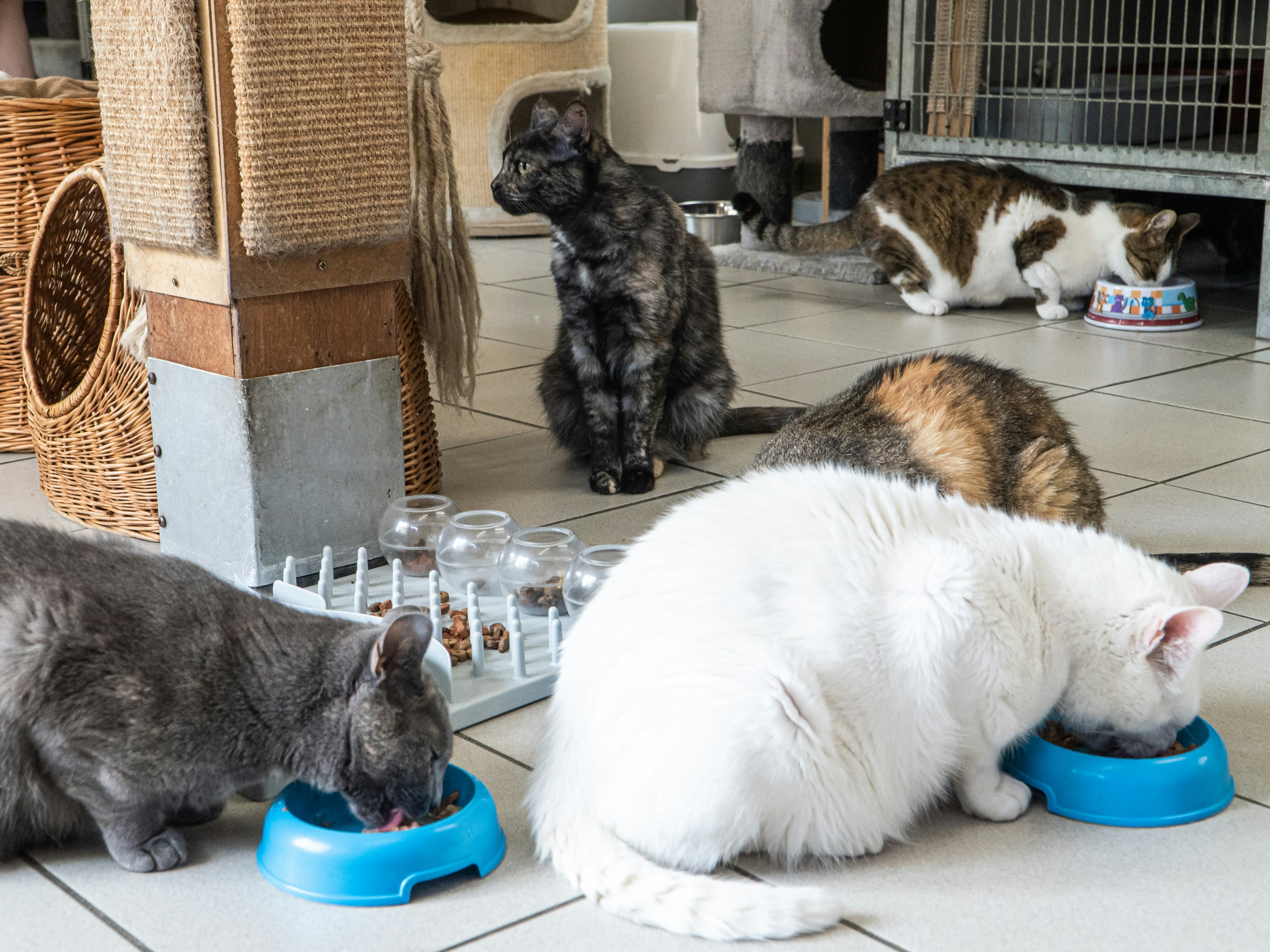
Feeding spaces also require attention. Set up separate food and water bowls in various locations to deter competition during mealtime. Ensure that these feeding areas are placed away from each other and other high-traffic spots to create a calm eating environment. Additionally, consider using slow feeders or puzzle feeders to engage your cats mentally, making meals an enriching experience and further reducing competition.
By creating separate spaces and resources, you are proactively managing potential conflicts in a multi-cat home. This thoughtful approach to feline living arrangements can lead to a more harmonious household where your cats can thrive without the stress of competition.
Gradual Introductions: Best Practices
Bringing a new cat into a multi-cat home can be a delicate process that requires careful planning and patience. One of the most effective methods for ensuring a peaceful coexistence is through gradual introductions. The primary objective is to allow each cat to acclimate to the presence of the other without feeling threatened or overwhelmed.
One recommended practice is scent swapping, which helps familiarize the cats with each other’s scents before direct contact. This can be achieved by gently rubbing a cloth on one cat and then allowing the other cat to sniff it. Repeating this process for multiple days can help reduce anxiety, as they become more accustomed to the scent of the new feline. It is important to ensure that both cats retain their personal space throughout this phase, allowing time for any signs of stress to subside.
Once the cats seem comfortable with scent swapping, controlled introductions should be initiated. This can often begin with short, supervised meetings in a neutral environment. It is best to keep these sessions brief initially—five to ten minutes—and gradually increase the duration as both cats exhibit calm behavior. Having treats on hand can create positive associations during these interactions, reinforcing good behavior with rewards.
Maintaining separate resources is another crucial consideration during the introduction process. Each cat should have its own food and water bowls, litter boxes, and resting places. This will help minimize territorial disputes, as cats can feel insecure about sharing resources. Additionally, providing ample vertical space, such as cat trees or shelves, allows the cats to observe one another from a safe distance, which may enhance their comfort level.
Through these best practices, the journey of integrating a new cat into an established multi-cat home can be significantly smoother. By prioritizing patience and understanding, cat owners can foster positive interactions and minimize the potential for feline conflicts.
The Role of Play and Enrichment
In multi-cat households, understanding the roles of playtime and environmental enrichment is essential for fostering positive relationships among feline companions. Engaging all cats in joint activities not only reduces potential rivalry but also strengthens their bonds. Playtime serves as an outlet for natural instincts, allowing cats to express hunting behaviors through interaction with toys and each other.
Offering a variety of toys can cater to the differing preferences among cats. Wand toys, for instance, are excellent for stimulating movement and engaging multiple cats at once, promoting socialization through cooperative play. Additionally, puzzle feeders can encourage problem-solving and can be an effective way to slow down feeding, keeping all your cats occupied and mentally engaged. These activities can help alleviate boredom, which is often a precursor to friction in feline relationships.
Environmental enrichment is equally important. Creating vertical spaces, such as shelves or cat trees, provides cats with areas to explore and establish territories without direct confrontation. Window perches can allow outdoor observation, stimulating their senses and decreasing stress levels. It is also beneficial to develop a routine that includes interactive play sessions, helping the cats to anticipate enjoyable experiences together, thus building their camaraderie over time.
Moreover, alternating toys can maintain high levels of interest and engagement, preventing cats from becoming disenchanted with their play options. Simple household items, like boxes and paper bags, can stimulate curiosity and encourage playful interactions, demonstrating that enrichment does not always require specialized products. The key is to ensure that the play experiences are diverse, preventing rivalry by promoting healthy competition and collaboration among pets.
Ultimately, by prioritizing play and enhancing the living environment with engaging stimuli, cat owners can diminish conflicts and foster a harmonious atmosphere. Creating positive play experiences helps to solidify bonds, enabling a peaceful coexistence among multiple cats in the same household.
Monitoring and Managing Feline Interactions
Creating a harmonious environment in a multi-cat home requires vigilant observation of feline interactions. Observing how your cats interact with each other is essential for identifying potential conflicts before they escalate into more serious aggressive behavior. One effective approach is to monitor their body language closely. Signs of discomfort, such as flattened ears, hissing, or puffed-up fur, can indicate that a cat is feeling threatened. By noticing these subtle signals, you can intervene early to prevent fights.
In addition to visual monitoring, audio cues are also informative. Cats often communicate through vocalizations; yowling or growling can signify that tensions are rising. When observing these interactions, it’s beneficial to note the specific situations where conflicts arise and which cat appears to be the aggressor or the victim. This information can be instrumental in developing strategies to manage their behavior effectively.
When aggressive behavior is identified, employing calming products may help reduce feline stress levels. Feline pheromone diffusers, such as Feliway, can create a more relaxed environment that helps to soothe anxious cats. These calming products are designed to mimic natural cat pheromones, encouraging a peaceful atmosphere and reducing conflicts. Additionally, providing various vertical spaces, such as cat trees or shelves, can also help cats escape from one another, allowing for safe retreats when they need space.
Behavior modification techniques can further assist in managing interactions. Techniques like positive reinforcement can teach cats to engage in more friendly interactions, rewarding them with treats or praise for calm behavior. Establishing a structured feeding schedule and separate resources, such as litter boxes and food bowls, can also minimize competition among cats. By taking these proactive steps, you can create a more balanced home environment that fosters peaceful coexistence among your feline companions.
Understanding Feline Body Language
Understanding feline body language is crucial for maintaining harmony in multi-cat households. Just like humans, cats communicate their feelings and intentions through body language, which can indicate stress, aggression, or comfort. By being attentive to these signals, owners can mitigate conflicts and foster a peaceful environment for their cats.
One of the most prominent indicators of a cat’s emotional state is the positioning of its ears. When a cat’s ears are facing forward, it is generally curious or relaxed. Conversely, if the ears are flattened against the head, the cat may be feeling threatened or aggressive. Tail position is another important aspect to observe; a raised tail typically signifies a happy and confident cat, while a puffed-up tail indicates fear or agitation. Understanding these signs is essential for recognizing when a cat may be on edge.
Additionally, vocalizations should not be overlooked, as they play an integral role in feline communication. Cats might hiss, growl, or yowl when they feel uncomfortable or provoked. These sounds serve as warnings or signs of distress and should be taken seriously. Aggressive postures, such as swatting or lunging, should alert owners to intervene and prevent further escalation of a situation.
Identifying subtle signs of stress is equally important. A cat that suddenly becomes reclusive, hides more often, or exhibits changes in grooming behavior might be experiencing anxiety. To address these behaviors proactively, owners can create safe spaces with cozy hiding spots where cats can retreat when feeling overwhelmed. It’s also beneficial to provide positive reinforcement and avoid scolding, as this can exacerbate fear-induced aggression.
By learning the nuances of feline body language, cat owners can not only reduce the likelihood of scuffles but also enhance the overall well-being of their pets, promoting a more peaceful multi-cat home.
Seeking Professional Help When Needed
Despite the best efforts of cat owners to maintain a peaceful environment in multi-cat homes, conflicts can still arise that may require professional intervention. These disputes can manifest in various ways, such as aggressive behavior, territorial disputes, or continuous stress responses exhibited by one or more feline family members. Recognizing the signs that a conflict has escalated beyond the point of self-resolution is crucial for ensuring the well-being of all cats involved.
One primary instance when seeking the advice of a professional is when aggressive behavior becomes frequent or escalates in intensity. If a cat displays signs of biting, hissing, or swatting often, it is essential to take these behaviors seriously. In instances where a cat is consistently on edge or appears fearful in the presence of another feline, these may also be indicators of a situation that requires expert insight.
Veterinarians and animal behaviorists can offer valuable resources and tools tailored to address complex inter-cat relationships. A veterinarian can assess any underlying health issues that may contribute to behavioral problems. Sometimes, pain or discomfort can alter a cat’s demeanor significantly. On the other hand, an animal behaviorist specializes in training techniques and behavioral modification strategies that can facilitate a more harmonious atmosphere.
In addition to individual assessments, professionals can provide valuable advice about environmental enrichment and effective methods for creating spaces that minimize stress and aggression. Techniques such as gradual introductions, employing pheromone diffusers, and setting up vertical spaces can all contribute to a more peaceful multi-cat home. Should conflicts persist despite implementing standard solutions, enlisting help from a professional is an important step towards fostering feline coexistence.