Introduction to Incubation
Incubation is a crucial process in poultry farming that plays a significant role in the artificial reproduction of birds, particularly chickens. This scientific technique is designed to mimic the natural conditions provided by a hen for hatching eggs. By using an incubator, poultry farmers can create a controlled environment that maintains optimal temperature, humidity, and ventilation, necessary for the development of embryos within the eggs.
The significance of incubation lies in its ability to facilitate successful hatching, which ultimately affects the productivity and sustainability of poultry operations. Traditional methods of incubation relied on hens to keep their eggs warm. However, with advancements in technology, incubators have become essential tools in modern poultry farming. These devices not only ensure that eggs are kept at the right temperature, usually between 99°F and 102°F, but they also regulate humidity levels, critical for the eggs’ physiological processes.
Moreover, incubators enable farmers to hatch a larger number of eggs compared to natural methods, thereby increasing the potential yield. This has vast implications for food production, allowing for consistent and efficient growth of poultry populations. The technology behind incubators has evolved, featuring automated systems that require minimal manual intervention, providing farmers with the ability to focus on other essential aspects of their operations.
Furthermore, the controlled environment of incubators helps reduce the risks associated with disease and predation that natural settings may present. With reliable conditions and advanced monitoring capabilities, poultry farmers can achieve higher hatch rates and healthier chicks. Overall, incubation represents a fascinating intersection of agriculture and technology, making it an integral component of contemporary poultry farming practices.
Understanding Chicken Eggs
Chicken eggs, a remarkable product of avian biology, consist of several vital components, each playing a significant role in embryonic development during the incubation period. The egg’s structure can be broadly divided into three primary parts: the yolk, the albumen, and the shell. Each of these components contributes to the overall functionality and viability of the egg.
The yolk, often recognized for its rich yellow color, serves as the primary nutrient source for the developing embryo. It is composed of proteins, fats, vitamins, and minerals essential for growth. The yolk’s rich supply of nutrients ensures that the embryo has a sustained energy source throughout the incubation phase.
Surrounding the yolk is the albumen, commonly known as the egg white. This clear, viscous liquid plays a critical role in protecting the yolk and embryo from external shocks and maintaining optimal humidity levels within the egg. Additionally, the albumen contains proteins that are crucial for the development of the embryo, providing hydration and supporting the metabolic processes necessary for growth.
Lastly, the eggshell serves as a protective barrier against physical damage and pathogen intrusion. Composed primarily of calcium carbonate, the shell not only protects the contents but also facilitates gas exchange during incubation, allowing the developing embryo to receive the necessary oxygen while expelling carbon dioxide. The shell’s porous nature is essential for this process and is critical for the health of the embryo.
In conclusion, the intricate biology of chicken eggs, encompassing the yolk, albumen, and shell, underscores their significance as vital incubated entities that sustain the embryo. Understanding these components provides insight into the fascinating process of how chickens hatch, revealing the complexity and wonder of avian reproduction.
Setting Up the Incubator
To successfully hatch chicken eggs in an incubator, the initial setup is crucial to creating an environment conducive to embryo development. The first step is selecting the right incubator model, which can vary from small tabletop units to larger, more advanced versions suited for multiple eggs. When choosing an incubator, consider the number of eggs you plan to hatch, the range of temperature control, and whether the unit features automatic turning capabilities.
Once the incubator is procured, the next step is to prepare it for use. Proper temperature regulation is essential; the optimal temperature for hatching chicken eggs is approximately 99.5°F (37.5°C). It’s important to use a reliable thermometer and monitor the temperature regularly. Fluctuations can jeopardize the embryo’s development. Humidity also plays a significant role during incubation, with ideal levels around 40-50% during the first 18 days. This can be achieved by adding water to the incubator’s water trays, as proper humidity prevents the eggs from losing too much moisture.
Another critical factor is the turning of the eggs, as it mimics natural incubation conditions. Eggs should be turned at least three to five times a day to prevent the embryo from sticking to the shell. If your incubator does not have automatic turning, setting up an egg turner can simplify this process. Prior to placing the eggs in the incubator, it is advisable to allow the incubator to run for at least a day to ensure it maintains the correct temperature and humidity levels.
In summary, setting up an incubator for hatching chicken eggs requires thoughtful consideration of various elements, including temperature, humidity, egg turning, and the choice of incubator model. With the proper setup, you create an optimal environment that significantly increases the chances of a successful hatch.
The Incubation Process
The incubation process for chicken eggs is a carefully orchestrated sequence of events, crucial for the formation of healthy chicks. This journey begins once the hen lays her eggs, which typically occurs in clutches. The first stage of incubation commences once eggs are collected and placed in a controlled environment, commonly known as an incubator. Here, temperature and humidity levels are significantly monitored to mimic the natural setting that a hen would provide.
In the initial days of incubation, a process known as apoptosis occurs, where only the most viable embryos develop, eliminating those that are not genetically sound. By the end of the first week, significant developments start materializing. The embryo begins to form key structures, including the heart and major organs. By day 7, a blood vessel network becomes evident in the egg, allowing for nutrient exchange, which is essential for growth.
As the incubation timeline progresses into the second week, the embryo grows rapidly. This stage is characterized by the formation of limbs, feathers, and other distinguishing features. Approximately at the 14-day mark, the chick is fully formed but still requires further time to mature. The importance of temperature regulation during this phase cannot be overstated, as it directly affects the health and viability of the developing chick.
The final stages of incubation, occurring between day 18 and day 21, are critical as the chick prepares for its exit from the egg. The embryo begins to position itself for hatching, typically by rotating in the egg and moving towards the air cell. This movement signifies readiness for pecking at the shell, which can take several hours to days, culminating with the breakthrough of the newly formed chick into the world. Each stage of the incubation process provides key milestones that indicate development, ultimately leading to the wonder of new life.
Monitoring and Maintaining Conditions
Successfully incubating chicken eggs requires diligent monitoring and maintenance of specific conditions within the incubator. The two critical factors that need regular attention are temperature and humidity, both of which play significant roles in the hatching process. The ideal temperature for incubating chicken eggs typically ranges between 99 to 102 degrees Fahrenheit (approximately 37.2 to 38.9 degrees Celsius), ensuring optimal embryo development. Utilizing a reliable thermometer is vital to accurately track these temperatures, and it’s advisable to check readings multiple times daily to account for any fluctuations.
Humidity levels are equally crucial, as they directly impact the egg’s moisture content and the embryo’s growth. Generally, the recommended humidity level during incubation is around 50-55%. A hygrometer can be employed to monitor humidity levels effectively. It’s important to be vigilant about signs of potential issues, such as excessive condensation inside the incubator, which may indicate high humidity or poor ventilation. Conversely, if the air appears too dry, it can lead to dehydration of the embryos. Making necessary adjustments, like adding water to the incubator’s reservoir or using a sponge to increase humidity, can be beneficial.
Moreover, regular observation of the incubator can help identify other potential threats to hatching success. It’s vital to ensure that the incubator remains free from drafts and that its ventilation system is functioning properly. Adequate airflow is essential for providing oxygen to the developing embryos and preventing overheating. If using an automatic turning device, check periodically to ensure that it operates smoothly and adheres to the required turning schedule, which typically recommends turning eggs at least three to five times a day.
Common Challenges During Incubation
The process of incubating eggs is a delicate and intricate procedure that can present various challenges for those seeking to hatch healthy chicks. One of the most significant issues encountered during incubation is overheating. If the temperature inside the incubator exceeds optimal levels, it can lead to embryo lethargy or death, ultimately resulting in disastrous hatching rates. It is crucial to regularly monitor the incubator’s temperature, as even slight fluctuations can impact the development of the embryos.
Another prevalent challenge is insufficient humidity, which can create a hostile environment for developing eggs. Ideal humidity levels are essential for proper embryo growth and for preventing the eggs from drying out too quickly. Insufficient humidity may hinder the hatchlings’ ability to break through the eggshell, while excessive humidity can result in mold growth and spoilage. It is recommended that incubators be equipped with hygrometers to facilitate accurate humidity monitoring, especially as the hatching date approaches.
Egg infertility is another challenge faced by incubators. Not all eggs are viable, and determining infertility can be tricky. Candling the eggs at various stages of incubation can help identify which eggs are developing properly and which ones are not. Discarding infertile eggs early can prevent them from compromising the overall environment within the incubator.
To troubleshoot these challenges, it is essential to maintain accurate records of temperature and humidity levels throughout the incubation process. After identifying potential issues, adjustments can be made to optimize conditions for favorable hatching rates. By staying vigilant and proactive, incubators can significantly improve the success of hatching healthy chicks.
The Hatching Process
The final days of incubation are marked by significant behavioral changes in the developing chicks. As the embryos near hatching, they undergo physical transformations that prepare them for their emergence from the eggshell. During this critical period, the chicks instinctively begin to move within their eggs. This movement is essential as it helps them position themselves for the hatching process.
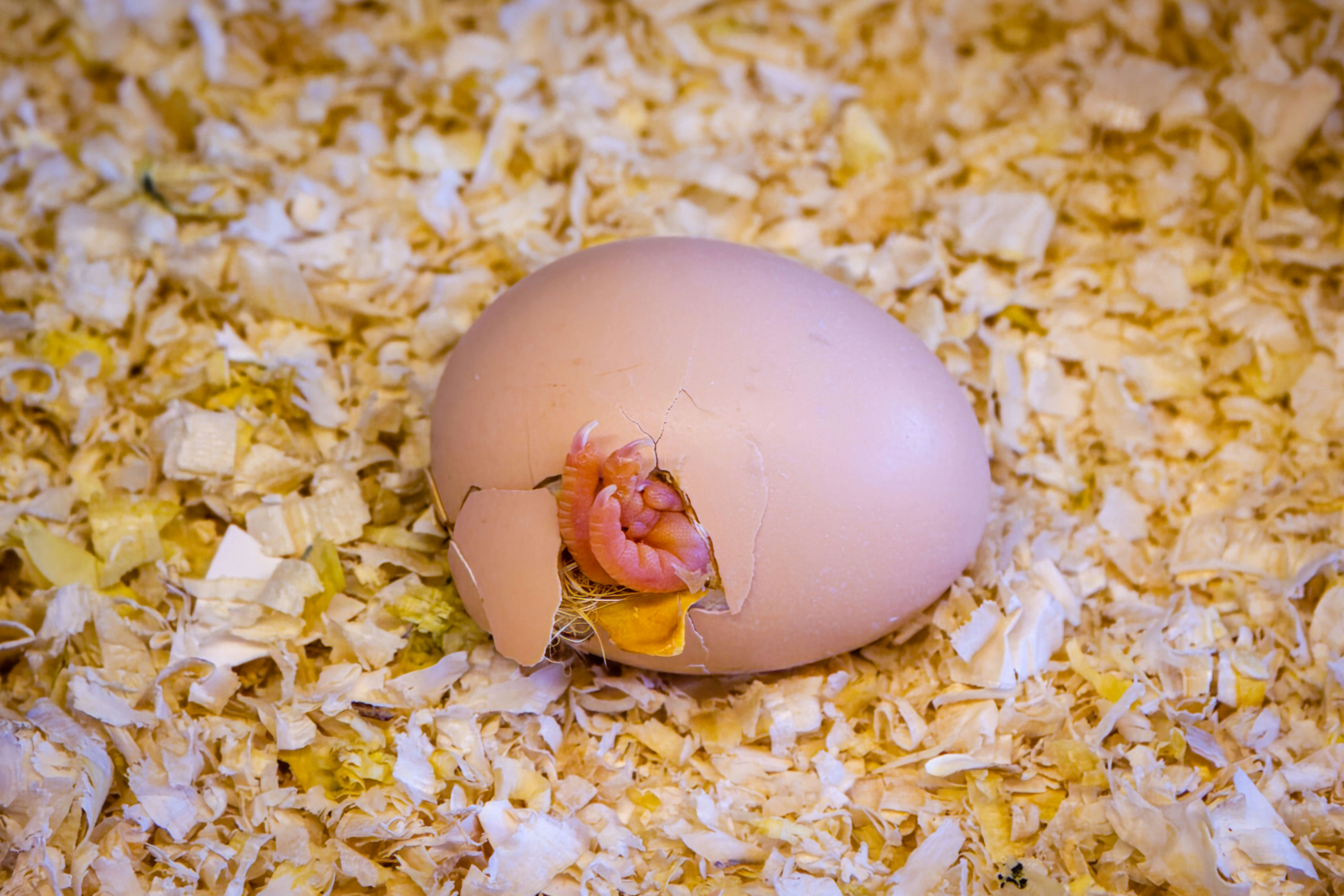
Within the last three days of incubation, the chicks initiate a behavior known as “pipping.” This is where they begin to break through the inner membrane surrounding them, creating a small hole to facilitate airflow. As the chick continues to develop, it starts to utilize its specialized beak, known as the “egg tooth,” to chip away at the eggshell. This tooth is a temporary structure located at the tip of the beak that allows the chick to effectively break through the hard exterior of the egg. This physical struggle is a natural and crucial step in the hatching process, enabling the chick to access the external environment.
The entire process can take anywhere from a few hours to a couple of days, as the chick works tirelessly to break free. During this time, it may pause between pecking motions to gather strength. The surrounding environment, including humidity levels and temperature, plays an important role in this phase; optimal conditions increase the likelihood of a successful hatching process. If the humidity is too low, the eggshell may become too brittle, while excessive humidity can make it difficult for the chick to breathe.
As the chick emerges, it must also adjust to its new surroundings, which can be overwhelming. The journey from egg to outside world is a remarkable transition, showcasing the endless gaze of nature’s intricate mechanisms. Understanding this process not only enhances our appreciation for avian biology but also helps in improving hatching techniques for those utilizing incubators.
Post-Hatching Care for Chicks
Once chicks have successfully hatched, their immediate care becomes paramount for their growth and development. Newly hatched chicks are particularly vulnerable, and providing the right environment and resources is essential to ensure their health and well-being. The first few hours post-hatching are critical; during this time, chicks rely on the nutrients from their yolk sac, which can sustain them for up to 72 hours. However, it is advisable to introduce appropriate food and water soon after.
Feeding newly hatched chicks requires careful consideration. A high-quality chick starter feed, formulated specifically for their nutritional needs, offers the right balance of proteins, vitamins, and minerals. This starter feed must be crumbled to ensure that the chicks can easily consume it, helping to avoid any choking hazards. Additionally, providing clean, fresh water is equally important. Using shallow water containers can prevent drowning, as chicks are inexperienced when they first encounter water.
Creating a suitable shelter for the chicks is equally crucial. The housing should be spacious, well-ventilated, and free from drafts. A brooder is ideal for this purpose, maintaining an optimal temperature ranging from 95°F (35°C) for the first week, gradually decreasing by 5°F each week until they are ready to transition to a more temperate environment. Adequate bedding materials, such as wood shavings, should be used to absorb moisture and maintain hygiene, thereby reducing the risk of disease.
Monitoring the health of the newly hatched chicks is vital. Watch for signs of distress or illness, such as lethargy, weakness, or chirping excessively. Providing a clean environment, appropriate temperature, and balanced nutrition fosters healthy growth and reduces stress, promoting a thriving flock. In conclusion, the careful management of feeding, housing, and health care for newly hatched chicks establishes a strong foundation for their future development and productivity.
Conclusion and Future of Incubation
The incubation of chicken eggs, a process that has remained a cornerstone of poultry farming, has undergone significant advancements in recent years. Earlier, traditional incubators relied mainly on natural environmental conditions and minimal technology. However, the continual evolution of incubation practices has led to increased efficiency, higher hatch rates, and improved overall poultry health. By integrating a variety of technologies, including automated temperature control systems, humidity monitoring, and advanced ventilation designs, modern incubators enable optimal conditions for embryonic development.
As we reflect on the key points examined in this discussion, it is evident that understanding the incubating process is critical for poultry farmers. The essentials of maintaining proper temperature, humidity, and ventilation during the incubation period directly impact the success of hatching. These factors are pivotal for ensuring the healthy growth of chicks, which translate into a more productive poultry operation. Furthermore, utilizing the latest innovations in incubation technology not only enhances the hatching success but also contributes to the sustainability of poultry farming practices.
Looking ahead, the future of incubation technologies appears promising. Continuous advancements in digital monitoring systems and artificial intelligence algorithms are increasingly being integrated into incubators, enabling real-time assessments and adjustments based on the specific needs of the eggs. Moreover, research into genetic optimization of poultry may lead to enhanced embryo viability, resulting in even higher hatch rates. As the poultry industry grapples with challenges such as resource limitations and rising demands for production, these innovations will undoubtedly play a crucial role in shaping the future of incubating practices, ensuring that poultry farmers can meet these challenges effectively and sustainably.