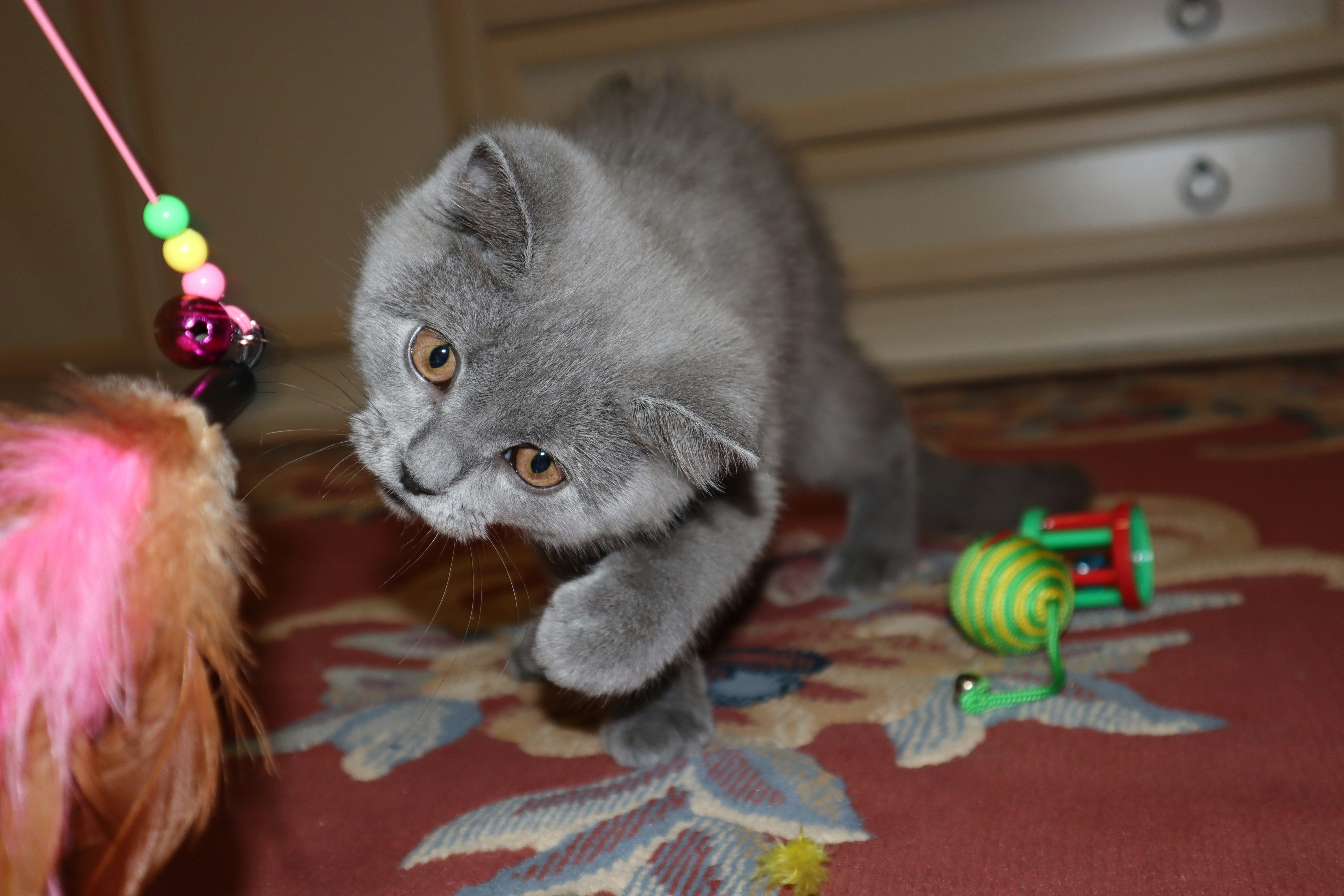
Understanding the Importance of Cat Trees and Tunnels
Understanding the unique behaviors and instincts of cats is crucial in providing them with the right environment. Cat trees and tunnels serve as essential structures that cater to a cat’s natural tendencies, including climbing, scratching, and hiding. These features not only allow felines to explore their innate instincts but also promote a healthy lifestyle.
Climbing is a significant behavior for cats, as it allows them to survey their surroundings from a higher vantage point. High perches on cat trees mimic the natural habitats of wild felines, providing them with comfort and security. By having accessible heights, a cat tree helps fulfill the need for vertical spaces, ultimately enhancing a cat’s sense of territory and reducing stress levels.
Scratching is another instinct that is vital for maintaining a cat’s physical and mental health. Cat trees commonly come with scratching posts that encourage this behavior, enabling cats to keep their claws healthy while also marking their territory. This not only helps in preventing furniture destruction but also serves as an outlet for any pent-up energy.
Moreover, tunnels offer an ideal spot for play and hiding, which caters to a cat’s hunting instincts. They provide an enriching environment that stimulates mental engagement and physical activity. This is particularly beneficial for indoor cats, as they often lack the opportunity to roam freely. The presence of tunnels can stimulate their curiosity and encourage exploratory behavior, fostering better overall health.
In addition to the physical benefits, cat trees and tunnels play a pivotal role in preventing obesity and associated behavioral issues, which are increasingly common in indoor cats. By providing adequate opportunities for exercise and play, these structures help maintain a cat’s physical conditioning while enhancing their quality of life. Therefore, investing in cat trees and tunnels is crucial for ensuring a fulfilling and healthy existence for our feline companions.
Types of Cat Trees: Choosing the Right One
Cat trees are an essential addition to any feline-friendly home, offering your pet a designated space for play, rest, and observation. With a wide variety of designs, materials, and heights available, selecting the perfect cat tree can be a daunting task. Understanding the different types will help in making the right choice for your beloved companion.
One common type of cat tree is the multi-level tower, which provides several platforms for climbing and resting. These multi-tiered structures are advantageous for active cats and those that enjoy vertical spaces. They often include scratching posts and enclosed hideaways, promoting healthy play and exploration. Generally, tall cat trees are ideal for younger cats with boundless energy, whereas medium-height options can suit cats of varying ages.
Another type is the wall-mounted cat tree, which saves floor space while giving your feline friend a place to climb and perch. These innovative designs utilize vertical space effectively, making them particularly appealing for smaller homes. However, installation may require additional tools and considerations regarding wall material and weight capacity.
Then, there are minimalist cat trees, crafted for aesthetics and simplicity. Often made from wood or other natural materials, these designs blend seamlessly into modern home decor while still providing comfort and enrichment for cats. While they may lack the elaborate features of other styles, their elegant charm can be an attractive option for discerning pet owners.
In contrast, plush cat trees offer soft and cozy settings, designed primarily for lounging. These structures typically come with removable, washable cushions, making them suitable for older cats that appreciate comfort over climbing. Each of these options has its advantages and drawbacks, making it crucial to consider your cat’s personality, age, and your available space when selecting the appropriate cat tree.
The Role of Cat Tunnels in Play and Exploration
Cat tunnels serve as versatile and engaging structures that significantly enhance a feline’s playtime and exploration. These tunnels are designed in a variety of styles, including pop-up designs, collapsible options, and those embedded with interactive features. Each of these variants caters to different aspects of a cat’s exploratory nature and can stimulate their innate curiosity. For instance, pop-up tunnels are easy to set up and can be moved effortlessly throughout the home, providing instant recreational space for cats to satisfy their playful instincts.
Collapsible tunnels, on the other hand, offer the advantage of compact storage, making them a practical choice for pet owners with limited space. These tunnels can be deployed when needed, allowing cats to engage in playful chases and hide-and-seek games that foster physical activity and cognitive development. Furthermore, many modern cat tunnels come equipped with enticing elements such as dangling toys and textured surfaces that add to the sensory experience, encouraging cats to explore and investigate their environment.
One of the main benefits of cat tunnels is their ability to foster natural hunting instincts. As cats navigate through tunnels, they mimic the actions of their wild ancestors, enhancing their motor skills, agility, and problem-solving abilities. Additionally, these structures promote social interaction—both between cats and with humans. When multiple pets are introduced to the same tunnel, it often leads to interactive play sessions that can enrich their social bonds, reduce stress, and enhance overall well-being.
In conclusion, cat tunnels are more than mere playtime accessories; they are essential to fostering a cat’s natural instincts and promoting environmental enrichment. By providing various designs and interactive components, these tunnels encourage exploration and active play, ultimately contributing to a happier, healthier feline companion.
Creating the Perfect Cat Play Area with Trees and Tunnels
Designing an enriching play area for your feline friend involves thoughtful placement of cat trees and tunnels, which can significantly enhance their well-being. First and foremost, one should assess the space available within your home. Cat trees and tunnels should be arranged in a way that maximizes the available area while ensuring that your cat has enough room to navigate freely. A corner of a room can serve as an ideal location, where the tree can be placed against a wall to create a secure spot, promoting a sense of safety for your pet.
Furthermore, it is essential to ensure that both cat trees and tunnels complement each other. By positioning the cat tree near the tunnel, you encourage your cat to engage in active play by transitioning from climbing to exploring. This helps simulate a more natural environment where cats enjoy climbing and hiding. Additionally, incorporating multiple levels within the cat tree maximizes vertical space, allowing your feline friend to observe their surroundings from different heights.
Safety should also be a paramount consideration when setting up your cat play area. Ensuring that the cat tree is stable and securely anchored will prevent any accidents during playtime. If the cat tree has multiple platforms, verify that they are well-constructed and have anti-slip surfaces. Moreover, incorporating soft landing pads can supplement safety for playful leaps between various levels.
In addition to trees and tunnels, incorporating a variety of toys and scratching posts can further enrich your cat’s environment. Consider placing interactive toys, such as feather wands or laser pointers, nearby to encourage physical activity. Scratching posts should be positioned close to the cat tree to cater to your cat’s instinctual need to scratch while fostering engagement with the play area. This synergistic setup can lead to a thriving and fulfilling habitat for your pet, enhancing both their physical and mental stimulation.
DIY Cat Trees and Tunnels: A Creative Outlet for Cat Lovers
Creating a DIY cat tree or tunnel is a rewarding endeavor for cat lovers, allowing them not only to engage in a creative outlet but also to provide their feline friends with a personalized space to play and relax. By utilizing various materials and designing custom pieces, cat owners can cater specifically to their pets’ needs and preferences.
When embarking on this DIY project, it is essential to consider a few key materials. Plywood is an excellent choice for the base of the cat tree, providing sturdiness, while carpet remnants or faux fur can be used to create a soft surface for climbing. Sisal rope is ideal for wrapping around supports and provides a satisfying scratching surface for your cat. PVC pipes can also be utilized to create unique tunnel shapes, adding versatility and fun to the creation.
In designing your cat tree or tunnel, consider your cat’s behavior and habits. Does your cat love to climb? Integrating vertical levels might be beneficial. Are they a lurker? Incorporating cozy alcoves or tunnels will provide them with a sense of security. Simple projects, such as a multi-level tree with platforms and a hammock, can easily be constructed using minimal tools. For the tunnel, creating a simple structure with proper dimensions allows ample space for your feline to roam freely.
For those on a budget, DIY cat furniture often proves more cost-effective than store-bought options while allowing for immense personalization. Paint, fabric, or accessories like toys can transform your cat tree or tunnel into a unique masterpiece. The beauty of crafting your cat’s entertainment lies in your creativity, making it an enjoyable project that yields the perfect play zone tailored to your furry companion’s liking.
Ultimately, embarking on a DIY cat tree or tunnel initiative provides cat owners with an opportunity to express their creativity while enriching their pets’ lives. With thoughtful design considerations and the right materials, one can create a cozy haven that blends seamlessly into the home.
Maintaining and Cleaning Cat Trees and Tunnels
Proper maintenance and cleaning of cat trees and tunnels are vital not only for the longevity of these structures but also for the health and safety of your feline companions. Regular upkeep ensures that your cat’s play and rest areas remain hygienic and free from harmful bacteria or allergens. One of the first steps in maintenance is regular spot cleaning. This can be easily accomplished by using a lint roller or vacuum cleaner equipped with a pet hair attachment, which helps remove fur and debris that might accumulate on surfaces.
Deep cleaning is equally important but should be done less frequently, ideally every few months depending on use. To deep clean, start by disassembling any removable parts of the cat tree or tunnel if possible. A gentle scrub with warm water mixed with mild soap can effectively eliminate built-up dirt. For fabric-covered areas, consider using pet-safe fabric cleaners to avoid any harsh chemicals that might harm your cat. Make sure to rinse thoroughly and allow the structure to dry completely before reassembling it for your feline friend to enjoy.
Maintaining the integrity of the structures is crucial for their functionality. Periodically check for any signs of wear, such as loose screws, wobbly bases, or fraying fabric edges. These issues should be addressed promptly to avoid accidents and to ensure the safety of your cat. Instead of using harsh chemical cleaners, consider eco-friendly alternatives or solutions that are safe for pets, such as vinegar and baking soda, which can effectively clean and deodorize without harmful side effects.
In conclusion, a proactive approach to maintenance and cleaning enables you to provide a safe and enriching environment for your cats. Taking the time to regularly clean and inspect cat trees and tunnels will enhance your pet’s enjoyment and overall well-being.
Safety Considerations When Choosing Cat Trees and Tunnels
Selecting a cat tree or tunnel may seem straightforward; however, safety should be a primary concern during the selection process. One of the most critical aspects to evaluate is the stability of the structure. Cat trees can vary significantly in height, and taller models may pose tipping risks if not designed properly. Look for a unit with a broad base and a sturdy design that can withstand the jumping and climbing of an active cat. Additionally, it’s advisable to check that the structure is designed to prevent wobbling.
Material safety is another essential consideration when choosing cat furniture. Opt for products made from non-toxic materials that are safe for pets. Carpeting and upholstery should be free from harmful chemicals, such as flame retardants or harsh dyes, which can be detrimental to a cat’s health. Selecting natural wood or untreated surfaces ensures a safer environment for your feline friend. Additionally, verify that the adhesives and fasteners used in the assembly are robust, as weak connections can lead to potential hazards.
Pay particular attention to small parts, such as plastic joints or detachable accessories. While they may enhance a cat tree’s features, they can also pose choking hazards or become easily detached during play. Always inspect the construction quality and look for safety certifications that indicate compliance with industry standards. These certifications ensure that the product has undergone rigorous testing for safety and durability.
When evaluating cat trees and tunnels, take the time to read customer reviews and expert recommendations. This holistic approach ensures that the chosen item enhances your cat’s well-being while minimizing risks. Ultimately, a safe environment will support your cat’s innate behaviors and promote their overall happiness and health.
Understanding Your Cat’s Preferences: What to Look For
Choosing the right cat tree or tunnel for your feline friend involves a deep understanding of their unique preferences and behaviors. Every cat is different; their diverse personalities heavily influence what they enjoy and how they interact with their environment. Observing your cat’s play style is paramount. Some cats exhibit high energy, frequently engaging in vigorous play, while others prefer to spend their time lounging and observing from a distance. Identifying these tendencies can greatly assist in selecting the appropriate structures that will cater to your cat’s specific needs.
Another critical aspect to consider is your cat’s climbing habits. Certain breeds, such as Abyssinians or Bengals, are natural climbers and may prefer taller cat trees that offer multiple levels for exploration. In contrast, more grounded breeds may feel secure with a shorter structure. Pay attention to how your cat navigates their environment—do they soar to the highest points in a room or choose cozy corners for napping? This behavior should inform your choice when selecting cat trees and tunnels.
Furthermore, consider your feline’s hiding preferences. Cats are instinctively drawn to secure spots where they can observe their surroundings without being seen. Cat tunnels and enclosed spaces offer this sense of security, catering to their natural instincts. Notice if your cat enjoys squeezing into small spaces, or prefers wide-open areas for play. Features that mimic these environments can enhance your pet’s comfort and playtime experience.
By observing these behaviors—play style, climbing habits, and hiding preferences—you can make informed decisions in selecting cat trees and tunnels that will enrich your kitty’s life. A well-chosen product not only stimulates their physical activity but also satisfies their behavioral needs, fostering a happier and more engaged pet.
Conclusion
In our exploration of cat trees and tunnels, we have delved into their significance in creating a stimulating environment for indoor cats. These structures are not merely decorative additions to your home; they serve a crucial role in enhancing your feline companion’s life. By providing vertical space and engaging play areas, cat trees allow cats to satisfy their natural instincts for climbing and exploring. Similarly, tunnels offer a safe and exciting avenue for cats to engage in their innate hunting behaviors, providing both physical stamina and mental stimulation.
The benefits of investing in cat trees and tunnels extend beyond mere entertainment. These installations contribute significantly to the overall well-being of cats by alleviating boredom, which can often lead to destructive behaviors. By offering an enriched environment filled with climbing heights and hiding spots, you foster a space where your cat can thrive physically and mentally. The act of climbing, playing, and hiding not only promotes physical fitness but also encourages the development of confidence and exploration skills in your pet.
As responsible pet owners, it is imperative to recognize the importance of such structures in our cats’ lives. By observing your cats interact with these trees and tunnels, you can witness firsthand the happiness and health benefits they provide. In conclusion, investing in cat trees and tunnels is a wise choice for enhancing your cat’s quality of life, ensuring that they remain active, engaged, and content within the comforts of your home. Prioritizing their enrichment through these designs can lead to a more fulfilling feline experience, strengthening the bond between you and your cherished pet.